Hi, I’m Viraj and I’m a physical therapist and owner of Accelerate Physical Therapy, and this is my professional spotlight series.
And I am interviewing today Dr. Tiffanie Le from Ashburn Natural Wellness. Hi Tiffanie, thanks for meeting me today.
Hey Viraj, thank you so much for having me here today.
Absolutely. I’m excited.
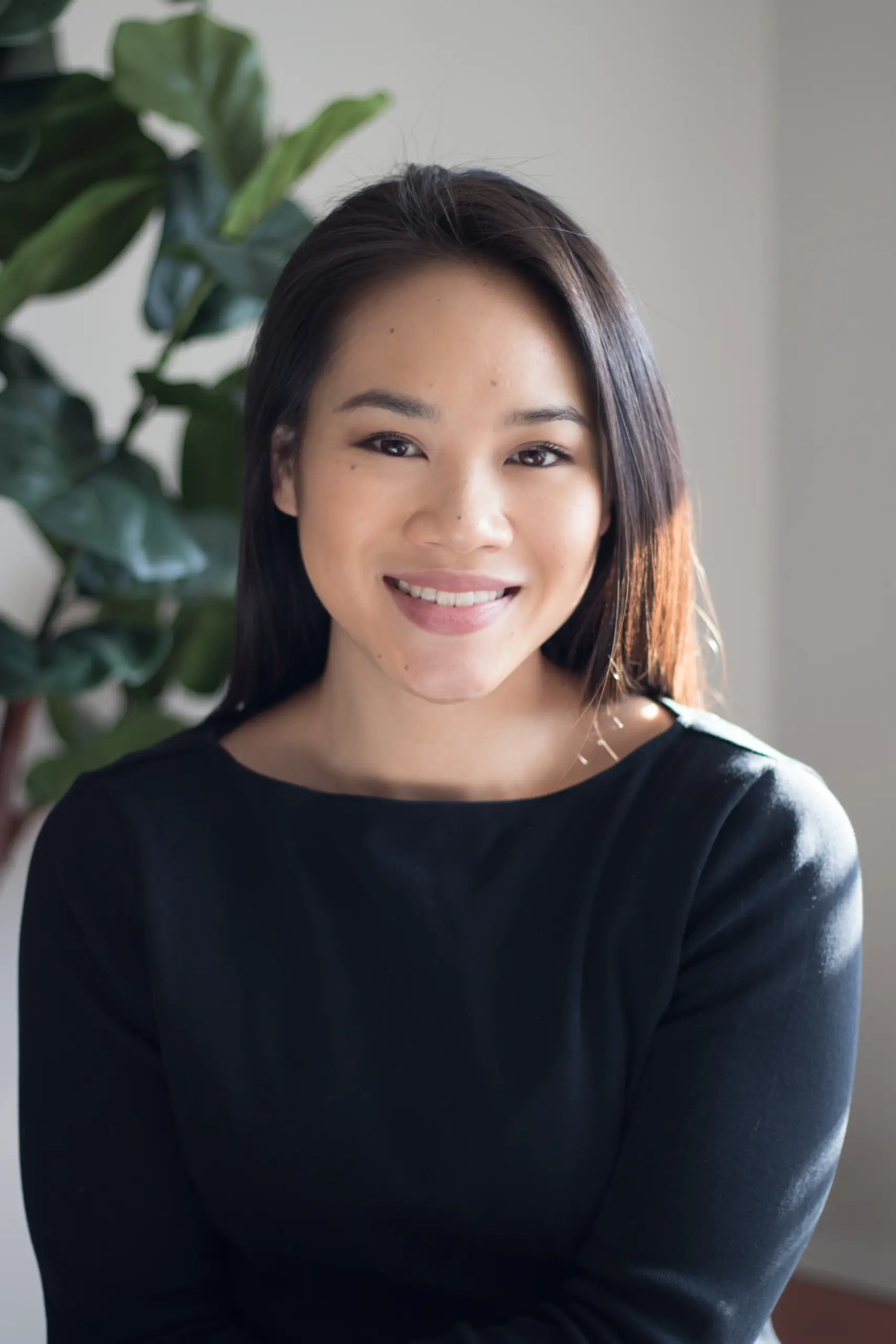
Me too. So, just a little intro about Dr. Le. Dr. Le is a chiropractor and co-owner of Ashburn Natural Wellness. Her husband, Dr. Tom, she offers an integrative approach at her clinic offering services such as acupuncture, massage therapy, perinatal care, and full body detoxification services such as infrared sauna. She is passionate about holistic healthcare and the positive impact that it has on the quality of her patients. So thank you for being with me today.
So Dr. Le, I thought we could start off by talking about how you got into chiropractic care and then eventually starting your own business.
Sure. Yeah. So I got into it. So actually I was, um, planning on going to pharmacy school. I went to undergrad and was planning on going to pharmacy school. I was in pre-pharmacy society.
And as I was in school, um, it, I think it just dawned on me that I didn’t really want to go into pharmacy. Not that I think there’s anything wrong with pharmacy, I just think that it just wasn’t for me. That’s not how I wanted to provide healthcare. Mm-hmm. And I really wanted to provide healthcare in a way that was a little more holistic, a little bit more of how I would want to receive care myself. And there’s a place and time for drugs. Absolutely. A medication. Um, and so I got, I kind of like put a pause on pharmacy.
My friend was seeing a chiropractor, suggested that I, um, shadowed him. And so I did. And it just, it felt a lot more aligned with how I wanted to provide care for patients and people. Mm-hmm.
Mm-hmm. Mm-hmm. And then, yeah, that’s very different ’cause you’re interacting with people, you’re providing care and progressing them through care. So that’s definitely a different quality or a different type of intervention that you wanted to give as far as like healthcare. I can see that difference in pharmacy versus chiropractic care.
Exactly.
So how did you, how did you transition and then start your own business?
So after I graduated chiropractic school, I did work for a busy practice and I, for three years, and I learned so much. It was such a great learning experience. Mm-hmm.
And in those three years, um, one of the things I did learn is that I wanted to provide more one-on-one time with patients at the clinic. It was busy and it, right, I, I gained a lot of clinical experience and leadership experience and business and all that kind of like business stuff. But from a treatment and provider standpoint, I really found myself towards the end wanting to spend more time with patients. Mm-hmm.
And at the time my friend wanted to open up and we had been talking about it together for a while. And, um, and so she and I decided, okay, let’s, now it’s time to open up. And she wanted to practice the same way. And so here we are with the practice.
Okay. Perfect. Perfect. Yes. So I wanted to ask you, what is a common misconception, um, about what you do?
Yeah, so I, I would say the biggest, and I’m speaking as a chiropractor because I don’t know as an acupuncturist, massage therapist, but as a chiropractor, I would say one of the most common misconceptions is that we only treat the spine and like conditions of the spine. So neck pain or back pain, low back pain.
But in reality in school, we are able, we are trained and able to examine, diagnose, and treat extremities, shoulder, elbow, wrist, hand, hip, knee, ankle, foot. Um, there’s a lot we could do with it. Soft tissue work, adjust those joints, mobilize the joints, exercises. We learn all that in school.
And I think there’s some, you know, I hear it from patients that come in to see us that are first time chiropractic patients and they’re like, oh, they come in for neck pain, that feels better. And they’re like, oh, actually I’m also feeling like this knee pain. I don’t know if you can help with that. I was like, yeah, I can, I can take a look at that. You know, and yeah. Um, and as you know, as a physical therapist, sometimes extremity pain is affecting the spine and vice versa. Mm-hmm.
Mm-hmm. I think that’s huge. I don’t, I don’t think I ever thought that, but I guess, yeah, maybe the lay person is like, okay, you deal with the spine. To me, I’m like, well, the spine is the core, but then your ability to manage the spine plus the extremities, that’s like everything all together. Yeah. That’s, that’s where it’s at, so, okay. Yeah. Great. I’m glad you cleared that up. Okay.
Oh, and then, sorry. And then the other thing I would say, and I don’t know if it’s like a big misconception, but I would say the other misconception is that all chiropractors treat the same. And I know there’s like a lot of viral videos, adjustment videos online, and it’s just not, not everybody adjusts the same, not everybody treats the same. Mm-hmm. Mm-hmm.
In chiropractic, there are so many different techniques within the chiropractic profession. Mm-hmm. And we learn, we learn them in school. Um, and it’s, if you wanna think about it kind of like different tools in your toolbox, um, because the adjustment for a newborn is very different from the adjustment that you’re gonna apply for a bodybuilder or the adjustment, the thrust and the force and the direction of the adjustment for a 30-year-old pregnant patient is different than a non-pregnant 30-year-old active patient.
You know? Um, and so different techniques allow for different, um, kind of, uh, forces. Mm-hmm. And that’s really helpful for the patient. And each patient’s so different. So one technique might help a patient very effectively, and that same technique for a different patient may not be effective. So I think it’s very helpful that we have different techniques in the chiropractic profession actually.
Yeah. So mm-hmm. If you’ve tried one chiropractor and it just didn’t work with you, just trying and just seeing if, exactly, you know, seeing if that person vibes with you, if the technique vibes with you, that makes sense. Just like everyone.
Yeah. Yeah. And you know, I mean, same with physical therapy too. Chiropractic is such a, I would say, very intimate kind of relationship with your patient because it’s so hands-on and you’re seeing your provider multiple times in a week, in a month, more than you see your primary. So it is, you, you need to be comfortable with your chiropractor. You need to make sure you feel like you’re listened to, that they really have, you know, they’re, yeah, you’re listened to. You understand why they’re doing what they’re doing. Um, they have a plan for you. And you feel comfortable with that ultimately.
Yeah. Mm-hmm. Well, I appreciate you saying that because I think a lot of people need to hear that. Um, yeah. So they don’t, so they’re not so fearful.
Yeah. And then, and then kind of like, I didn’t think about this before either, but even within that kind of like the medical profession, there are chiropractors who specialize in different conditions and demographics too. Like, there are pediatric chiropractors that just treat kids.
Right. There are, we have a friend who is a chiropractor but focuses just on neurology. Mm-hmm. Um, like concussions, brain conditions, um, there’s functional medicine chiropractors, there’s rehab-focused chiropractors. There’s just, yeah. You really have to find, I think, the chiropractor that fits your, what you need and what you’re looking for.
I agree. Yeah. And then what kind of, what kind of people or what kind of customers do you serve at Ashburn Natural Wellness?
I would say it’s the general population, but if we were to break it down, and because we have, um, acupuncture and massage therapy in the clinic, it kind of, kind of rounds it out a little bit more too. But from the chiropractic standpoint, we do treat mostly the general adult population.
But within that, a good portion that I see are prenatal patients too, and postpartum patients.
Um, a portion of that is our patients who wellness and prevention is very important to them. And usually those patients have either kind of gone through a course of care of physical therapy or chiropractic care, and they’re at a point where they’re like, I, I know without this care, or I know if I don’t maintain to some degree, things could feel worse for them. Mm-hmm.
Um, and then we have most of our patients that come into the office either are experiencing acute pain or chronic pain that’s affecting their function day to day. And they’re like, I, I need some help with it.
Mm-hmm. And then is there a common problem that you help people solve? Is there something that you see more often with the patient caseload that you have coming in?
Yeah, I would say, I mean, most obvious for me, because most patients are coming in with pain, it’s, they want to reduce or take care of or, you know, get rid of their pain from day to day. But I always ask patients what their goals are with care when they come in. And so that’s usually their first response, like, I want to get rid of the pain.
And then their second response is like, I wanna get rid of it because I want to run again, or I want to be more active again this year. Um, or I’ve had this pain with my previous pregnancies and I’m at a point where I’m starting to feel it again and I really want to prevent it from getting worse. Mm-hmm. So something about their function or their quality of life or some, like, they have another goal, like their pain is preventing them from doing something that they really want to do or enjoy.
Um, so I would say that’s, that’s a lot of kind of like the underlying, uh, problem for patients. Mm-hmm. Allowing them to reduce their pain, but then getting to their better function, better into their wellness program or fitness program or functional day-to-day life.
Yes. And I’m sure you see that too as a physical therapist.
Mm-hmm. Yes. It’s like, I wanna get outta pain. Yes, that’s gonna happen, but let’s talk about how it’s gonna help you in like a couple of months and yep, getting the job.
Yeah. Yeah. So care is usually okay, well at least then I know where their goal is. I can kind of focus where treatment is gonna go. And if they’re coming in with acute pain, that’s kind of like the main initial portion of care and focus. Mm-hmm. But then their longer-term care and treatment is focused on, okay, well you wanna get to running, let’s, let’s start working on that after this pain is gone. Mm-hmm. Mm-hmm.
Yeah. Absolutely.
So let’s talk a little bit about your pregnancy services and your postpartum services, since you had mentioned that. Can you tell me about the services you offer and how chiropractic care, care, and some of your integrative services kind of help, uh, this patient population?
Yeah. Um, so it’s really great ’cause I feel like our clinic, because we do have massage therapy and acupuncture and chiropractic together, we can really help at all stages of pregnancy, like you said.
Um, I would say even preconception and fertility, when someone’s thinking about getting pregnant, Isabelle, the acupuncturist, is so great at helping you prep your body to be at a more, you know, a better state to get pregnant. Um, she helps a lot of patients that go through IVF with her treatment too, um, at different, you know, points in their IVF journey.
Um, and so I would say even before patients are pregnant, it’s a great place. And then I don’t often get patients that come to me saying, like, my goal is to get pregnant, but I have patients who have been seeing me for a while and then they get pregnant and then they continue with prenatal care.
Um, and then once the patient’s pregnant, um, prenatal care looks like chiropractic care, massage therapy, acupuncture. I would say chiropractic care and massage therapy is really great in helping reduce tension, kind of checking, making sure the body’s not too imbalanced, um, as they progress with pregnancy. Um, making sure the mom feels good with their pregnancy, they can function a bit better.
Um, and then acupuncture is really great to help with kind of like all the other symptoms of pregnancy that we can’t really help with, like nausea, headache, digestion, um, heartburn, things like that. That’s really great for, for those symptoms.
And then postpartum, or I guess in between postpartum, um, like labor, like prep, labor prep, acupuncture. Isabelle always recommends moms to come in for the last four weeks of care just to get weekly acupuncture treatment just to help prep the body, uh, for labor.
And then for chiropractic and massage, it’s just, if they feel comfortable coming in, I, I do recommend it weekly too, just because it’s more comfortable, it helps the patient be more comfortable, but also the adjustments really help relax the pelvic floor to help prep for, for labor and delivery too. Mm-hmm.
And then postpartum, um, when the patients feel ready to come in, it’s not a, you know, I, it’s helpful postpartum, but of course labor goes different for everybody depending on if they feel comfortable coming in. But as soon as they’re ready to come in, I see a lot of women come in for like neck and shoulder because they’re carrying the baby, nursing the baby.
Um, but also if they kind of feel off because their body’s going back to a new, a new normal, like we can help address that too. Mm-hmm. Mm-hmm. Mm-hmm.
And then what do these moms say, uh, coming back after their labor and delivery? Do they say, I’m sure they say that they, you know, you never know what’s gonna happen, but in general, do you feel like they were more prepared? Do you feel like that they were more prepared to have that, um, labor and that delivery? Or do you feel like their recovery was much more efficient and healthier and quicker and they were maybe getting back to their fitness program with all the services that they had gone through?
Yeah, I definitely, um, patients that come to mind when you ask me that who have had chiropractic care, like you have not had chiropractic care for one pregnancy and then have had chiropractic care, massage, and acupuncture for their other pregnancies, they notice a big difference in just how much less tense and how much more comfortable the end of their pregnancy was, which helps them with labor because they’re not as uncomfortable.
Um, a lot of times those labors go a little bit easier or easier than they anticipated. Um, and then yeah, depending on how their labor is, recovery for those, those patients that I’m, that I’m thinking of right now have been really great for them. Yeah.
Mm-hmm. Yes. When, when you’re able to minimize all the tension to get things set up for them properly at the rib cage, at their pelvis, for them to breathe properly, they’re definitely gonna be in a better situation for them to have a healthy birth and no trauma. So that’s great.
Yeah. It’s amazing. Yeah. So, okay. So you mentioned, we went through a little bit of your, um, clients who are pregnant, the postpartum. What other types of, um, problems are you looking to solve with your integrative approach?
So when I first opened the practice, and I actually, um, we, it was just myself and a really close friend, Dr. Taylor Taylor, who has Luna Wellness. Um, and some of you may know her ’cause she used to be a big part in like prenatal, um, kind of population around here. But, um, she and I, it was just us two and it was chiropractic.
And then I really, I’ve always wanted to bring on massage therapy into the office, um, because it’s so complimentary. Like patients come in for pain, but it’s not just the joint, it’s also the muscle. And it’s also maybe underlying, you know, emotionally something else is going on or, you know, digestion or stress or whatever it is, like that chiropractic and massage therapy can’t address like manually.
Um, and so I really love having acupuncture and massage therapy in the office with the chiropractic care because it’s easy access to patients who may not have thought about it otherwise. Um, so I think a lot of patients are more open to it because it’s in the office and they’re coming in maybe for acupuncture, and they’re like, well, I’ve never had a massage before, or I’ve never been to a chiropractor before.
And since we all work so well together, we’re also trusted providers too. Yeah. And so it makes it easier for the patient to be like, oh yeah, I, I maybe I will try that. You know, and I, I think that’s really, for me, I’m like, that’s great because it’s, it’s opening their, their mind to like a different way to treat an issue that maybe they haven’t considered before. And that could be very helpful for them.
Yes. Yeah. Mm-hmm. Just like an integrative whole body holistic approach, they get support from different types, um, to help solve their issues.
Yes. Exactly. Do you wanna, do you wanna introduce or, or just kind of talk a little bit about, um, uh, Dr. Tom and, um, your acupuncturist and your massage therapist? Maybe their names and just their, what they specialize in?
Yeah. Um, so Dr. Tom, he is, so Dr. Tom and I actually, we met in school when we were in the same class. Um, and so we practice very similarly. Um, we practice with the same chiropractic techniques. Um, we’ve done a lot of the same continuing education.
And so, but I would say his focus is a little bit more on, he enjoys more of the active population. He really enjoys the functional aspect of providing care for patients. He still does a lot of the adjustments and the manual work, but also incorporates a little bit more rehab and exercises. Um, and really enjoys finding that and providing that for patients and helping them kind of like bridge the gap between their pain and getting back to what they enjoy doing.
Um, and then Isabelle, our acupuncturist, she is really great with, again, the prenatal fertility patients. Um, and she actually really enjoys working with patients who are not, not necessarily like, are stressed, but have like, um, kinda like an emotional, maybe underlying component that may be contributing to their musculoskeletal pain or their condition. Mm-hmm.
Um, and they may not be aware of that when they come in to see her, but, you know, in her intake and her examination, she really does incorporate that into her treatment. And I think that’s been very, she’s found that’s been very helpful for patients too.
And Chrissy, she, um, she sees a lot of our acupuncture and chiropractic patients, um, but she provides prenatal massages, she does reflexology massages too, and offers, um, myofascial massage as well.
Okay. And then if someone wanted to book with Isabelle or Chrissy, is that something that they would do through just through Ashburn Natural Wellness, through your front desk?
Yeah. Yeah. So it’s all under the same, yeah, number, contact information. Um, and so the best way to contact the office for any of our services is to contact either the office number or our email. Um, there’s a general email, the [info@ashburnnaturalwellness.com](mailto:info@ashburnnaturalwellness.com), and that’s really, that’s always monitored, um, daily.
And so that’s a really great way, if they’re just looking to learn more about our office and our services, our website has a lot of that information. Um, and those who are ready to book and know they wanna book can call, or we have an online scheduler too. A lot of patients enjoy that. Our schedules are all up to date and open on there, so that’s really easy way to book too.
Okay. Yeah. Multiple ways. I love it. Yeah.
Yeah. So Isabelle and Chrissy, are their sessions about an hour long or less than an hour? Half hour long?
Yeah. Um, Isabelle’s appointments, the acupuncture, the first appointment’s about an hour and 15.
Okay.
The follow-ups are about 45 to 60 minutes. It’s booked for an hour. Um, and then massage, just depends. She offers 30 minutes, 60 minutes, and 90 minutes.
Okay. Yeah. So it’s a range.
And then how long are chiropractic sessions?
Most of our appointments are 30 minutes.
Okay.
Our initial appointment is an hour. And then some patients, depending on what they’re needing, uh, there are 15-minute appointments too. But I would say the majority of our patients are 30 minutes for the chiropractic sessions.
Mm-hmm. All right. Perfect.
Uh, well this is, I think this gets a lot of information out about some of, um, your chiropractic services and Dr. Tom’s chiropractic services, as well as all the integrative support that someone can benefit from, as well as getting the chiropractic care to give them a very holistic approach to healing that is gonna get ’em out of acute pain, but then also long term, get them in a position where they can start living pain free, um, and kind of going on through life with a little bit of integrative care here and there supporting them.
So I love, I love this approach and I think that, um, people can really take advantage of so many different, um, services that you’re offering. Thank you so much. Thanks for being here.
Yeah, thank you. Talking to me today and talking to the community and, um, all right. Talk to you soon.
Cool. Thank you. Okay. Bye-bye. Bye.