Spotlight Series
Join Viraj Chang, PT, MPT, CPI, from Accelerate Physical Therapy, as she welcomes Cynthia Yew, FNP-BC, IFMCP, a Functional Medicine Certified Practitioner, for a powerful conversation about women’s health and midlife wellness. Together, they explore what it really means to uncover the root cause of your health concerns and why this approach can transform the way you feel and age. You’ll also hear how Cynthia blends functional and allopathic medicine to guide women through perimenopause, menopause, and overall midlife wellbeing.
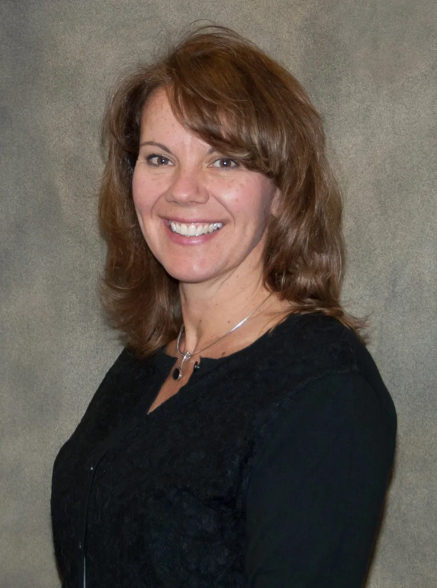
Topic: Cynthia Yew, Sterling Wellness & INOVA IV Therapy
Guest Name: Cynthia Yew, FNP BC, IFMCP
Guest Credentials: Cynthia Yew, FNP BC, IFMCP.
She is a Nurse Practitioner practicing both traditional and functional medicine in her family practice.
Discussion Details: Navigating chronic illness with natural medicine and lifestyle changes in addition to the traditional medicine approach.
Her clinic is a family practice, and she treats young kids, aging adults and seniors.
She is different than the traditional family practice in that she not only solves your current problems, but she problem-solves to discover the ROOT cause of your issues. This helps break the cycle of repetitive doctors’ visits and managing a chronic illness or injury before it can occur.
She discusses a holistic approach to managing women’s health in midlife during perimenopause, menopause and beyond.
She discusses how she educates women and men on how nutrition, fitness and a full hormone panel can help optimize your overall health in midlife.
Benefits of Watching:
If you’re a woman or man in midlife, she discusses techniques to manage the shifts that occur during this phase of life to better support the aging process.
If you’re a woman entering perimenopause or menopause, she discusses Hormone Replacement Therapy and how it can be a game-changer at this phase of life.
You can get a better understanding of what functional medicine is and how it can support your current health program.
Learn unique treatment options, such as ozone therapy or lab testing in trying to discover the root cause of your symptoms to prevent chronic health issues in the future.
Guest’s Business Website: https://sterlingwellness.com/
Hi, Cindy. Hi, nice to be here. Thank you.
I’m so excited to talk to you about some of your services that you have. Cindy offers both a traditional type of service and also a functional medicine approach to medicine. We are going to talk about how Cindy works with clients and works with more root-based medicine, and this means she’s not just looking at your symptoms. She’s trying to figure out where did all this start, where did it come from, and then give you some tools and tips on how to recover and age successfully. So, Cindy, talk to me a little bit about your functional medicine approach and what does functional medicine mean?
Okay, so functional medicine basically means, to put it in a nutshell, is getting to the root cause of what the symptoms are. So, you know, traditionally, which I was trained traditionally, Dr. Fletcher was trained traditionally, and so what you learn in traditional training is you have a set of symptoms, it gets attached to a diagnosis, and then there’s always a drug to fix it, right? So, and that’s the way, unfortunately, most people are still practicing.
So, the functional medicine movement started about 15, 20 years ago and has really, fortunately, taken up a big, you know, gained some momentum recently with the help of Dr. Mark Hyman, because he’s great and does tons of podcasts, and you probably know him, but he’s really put a big word out for functional medicine. But anyway, so getting to the root cause. So, if someone comes in with high blood pressure, instead of just throwing them on a medication, you know, we talk to them about, well, how is your diet? How is your sleep? You know, are you getting too much sodium in your diet? And, you know, sometimes we’ll recommend some supplements or things that might help.
So, yeah, just getting to the root cause. We see a lot of people with autoimmune disorders. You know, autoimmune is probably one of the most satisfying things that we can do to help people because we get to the root cause of what they’re, what triggered their immune system to start attacking themselves.
So, yeah, so we get to the root cause as far as other things like hormones, just trying to help people get to maximum wellness, balancing their hormones, females, males. We help a lot of adolescents with PCOS, trying to fix their hormones. And yeah, so we just try to get to the root cause.
As opposed to just throwing medicine at people. That sounds like you just have such a wide lens, right? And when you’re looking at people and that’s so helpful. So, some of those services, so when you’re talking about functional medicine, what are some of the testing or some of the, yeah, I guess the testing or maybe the lab work, you mentioned some gut microbiome testing.
What are those tests and how would they help somebody in this way? So, when we’re talking about functional medicine, we really are getting down to the nitty gritty. I mean, we’re getting down to the cellular level of health. We’re looking a lot at mitochondrial function.
Mitochondria, I tell people we’re going to take a trip back to biology class from the sixth grade. And we’re going to learn again about mitochondria and how it helps the cell survive and produce energy and how that’s so important for all of the tissues in your body. And so a lot of the functional medicine testing that we do kind of goes around nutrients that help the mitochondria work. We do a lot, we do some services with ozone, which I can talk about later, but that also helps with mitochondrial energy production. We look at gut microbiome. We have a saying in functional medicine, life begins with the gut. The gut has trillions of bacteria that have so many different jobs. And so pretty much any illness or symptom, we can usually trace it back to the gut. So, we do specialized gut testing, stool testing.
We do hormone testing. We’ll do salivary testing. So, for example, it’s sort of above and beyond what traditional doctors do. So, we may do a 28 day salivary hormone test in someone we’re trying to help with infertility issues. We do micronutrient panels on people that look at all of their minerals, all of their vitamins. We’ll do, if we’re looking at mold toxicity, we’ll do mold testing on people. We’ll do just general toxic testing on people and general toxins in the environment. So, lots of specialty testing that we use to kind of help delve in and sort of target what strategy we need to do with that patient. Okay.
That sounds good. And then what kinds of clientele? You mentioned autoimmune clients, and then a lot of females who are in perimenopause, and even males who are having some issues as well as their aging. What other types of clients would benefit from this type of service? Yeah.
So, really anybody. I have to tell you, we see, because we’re family practice first, and then we do functional integrative medicine. So, we see, like I said, I’ll see women who are having infertility problems.
So, we help them get pregnant. Once they have their babies, you know, they come to us. You know, we tend to be very open-minded about vaccines at our office. You know, we believe that the parent is in charge of their child and whatever they want to do as far as their child’s health, we’re here to support them and help them. We’re not going to run you off if you decide that you’re not going to do vaccines. We’ll give you information.
So, we see the babies. We see autistic children. We do a lot of testing on autistic children all the way up through, you know, adolescents, again, with hormone PCOS-type stuff, all the way up into, you know, geriatrics or perimenopausal women. That’s probably the next step. Women that are entering into their, you know, late 30s, early 40s, they’re starting to notice some hormone shifts. They’ve been to all their regular doctors who have said, oh, everything’s fine. Right. So, we actually do some of these specialty tests, and we start to try to help them balance their hormones. I get a lot of women, probably my main patient population, I have to tell you, is the hormone population.
I see a lot of women, same story, you know, I’m gaining weight. I’m not sleeping. My mood, my husband tells me I’m, you know, not the same person. And so, we do some hormone testing, and we find lots of imbalances, and we fix it. So, we do that. The older people that we see, a lot of them have a lot of problems with malnutrition.
So, you know, decreased appetite, not eating as much. They’re on a lot of medications from other doctors that deplete minerals and vitamins. So, we do a lot of the micronutrient testing on them, and, you know, just really help them focus on, you know, their longevity and trying to get them strengthening and that sort of thing. Yeah. So, you mentioned your top client, your ladies who are in that perimenopause, menopause. So, what kind of things do you offer to them when you go through their testing? Do you have some hormone replacement therapy that you offer? And then, anything, any kind of natural recommendations that you have for them to kind of help them at this phase of their life? Sure.
Well, one of the things with hormones that a lot of people don’t understand is that a lot of hormones play off of each other. So, you know, a lot of people will have issues with their adrenal glands, cortisol levels being elevated. That comes from not sleeping well. Everything kind of ties in together. Stress, you know, you’ve got aging parents, the sandwich generation, aging parents, young children. So, sleep is not good. Cortisol levels are high. That plays into the hormones. So, we have to kind of look at that.
We do some cortisol testing if we need to, but we can help with supplements. We can do lifestyle. We can talk about breathing, vagus nerve exercises to try to help with managing the cortisol levels. And then, like I said, that will tie into the hormones. We can do natural hormones. We can do bioidentical hormones. Some people have contraindications or they just don’t feel comfortable doing bioidentical hormones. So, we can certainly do natural things. We can manipulate hormones.
You know, we can frequently raise estrogen levels, lower progesterone, raise testosterone levels in men simply by doing a few simple dietary changes, maybe a little bit of intermittent fasting for that insulin resistant person. So, there’s lots of things that we can do even above and beyond just recommending supplements or hormone therapy. And you have a nutrition and weight loss program or weight program there. Is that just recommendations that you give for that clientele? Yeah. Well, there’s so much that goes into the weight loss piece. So, the thing that I focus on is I do have a certification in nutrition.
And I have a son who’s a personal trainer. So, he just, you know, I’ve learned a lot from him. And I’ve had my own weight struggles my whole life.
So, I’ve kind of learned through experience. But when menopause hits, you really do have to look at the big picture. So, one of the things that I see is people go to these different weight loss programs.
And yeah, they may temporarily lose their weight, but they always end up coming back getting frustrated because people haven’t looked at the whole picture. We have to look at the cortisol, we have to look at the thyroid, we have to look at the sleep. We have to look at nutrition, we have to look at calories, we have to look at, you know, all the basic stuff too.
But you can’t just look at that, you have to look at the whole package. So, when I started getting all these women coming to me for fixing their hormones, I realized, okay, I really do have to, people want to lose weight, right? I mean, this is what people want. They don’t like it that their clothes are getting tight.
And so, I said, you know what, I think I probably need to expand a little bit and look at this. I won’t call it a weight loss program, but we got a resting metabolic machine that we can do some indirect calorimetry, which looks at resting metabolic rate that kind of helps direct the calories a little bit. I like to send people to nutritionists.
I have a couple that I like to refer to. And so, that’s always helpful if people need a little bit more handholding, but I help them with their macros and help get their hormones balanced and their cortisol. So, if we put the whole package together, it’s usually successful. So, I see with a lot of my clients who are right now, like 40s, 50s, and they’re working on their body and their physical therapy. And when they’re into their weight loss and their nutrition and their fitness, you know, the big thing now is eat more protein. But they’re at, I’m noticing that they’re eating such little amounts during like breakfast, lunch, and dinner that, you know, they’re like, oh yeah, I’m just trying to increase my protein and they can’t tolerate it.
And is that the whole cellular, like the metabolism piece that it just, things need to kind of be like rebooted or there might be something hormonal or metabolic that’s going on that needs to be fixed first for them to get their appetite back, right? Like, I’m thinking that things are just moving really slow and sluggish and need a little bit of a root. Is that what you mean by looking at those things? That could certainly be a piece of it for sure. Yeah.
And so it’s kind of a catch-22 because they need to build their muscles. So they have to get the protein up, but if they don’t have the muscle to burn the calories from all the excess, you know, protein calories and yeah, it’s a catch-22. So, you know, and the other thing too, that I see a lot of people do is they’ll, they’ll get set in their macros and just stick there and they’re doing fine. And then they plateau, right? So kind of knowing when to shift and change and do sort of the cutting that the weight builder people always talk about is also very effective. Yeah. Okay.
Well, that’s great. And then you mentioned the ozone really quickly. And so do you want to talk a little bit about ozone and what that is and how that helps supporting your client? Yeah. So ozone, we first got ozone in the practice about 10 years ago. So Dr. Fletcher once upon a time was a chronic Lyme specialist. And so she had a lot of chronically ill patients and, you know, did all the protocols with the antibiotics, et cetera. And she realized that people just weren’t getting better. And so she did a little research and she found that ozone. So ozone is actually for mitochondrial medicine, helps a lot of chronically ill people, because when you are chronically ill with chronic Lyme or chronic fatigue syndrome, or, you know, terrible autoimmune disorders, fibromyalgia, things like that, those are all mitochondrial disorders.
And so if you can fuel the mitochondria so they can produce more energy for the cell, your body will start to heal itself. And so that’s great. It’s also really pumped for anti-aging because the theory of aging is mitochondrial death. So if we can do things to help the mitochondria live longer, then we will live longer as well. Yeah. That sounds great.
Okay. And then what is the enrollment process like at your clinic? Can we get in to see an evaluation or how quick can someone get in to see you? Yeah. So right now, probably we’re booking about three to four weeks out for a new patient. So all you have to do is just call the front office. You know, nothing special going on right now. So usually pretty easy to get in and we’re happy to see anybody.
We’re a cash practice. We don’t bill insurance. We are accepting Medicare, but we limit the number of those just because reimbursements are great. Yes. I had that question for you because I recommend some of my Medicare patients to you. And so I just wanted to know.
That’s good to know. Yeah. Thank you so much.
You’re welcome. This was so informative. I have so many more questions for you.
It’s like I get to ask you all the questions now one-on-one when I’m out of the clinic with you and that’s great. I get to get all my questions out. But anyways, I’ll have to have you back.
Thank you so much. Okay. You’re welcome.
Thanks for having me. Thanks so much. Okay.
Bye.