
EDS & Hypermobility in Ashburn
EDS & Hypermobility treatment in Ashburn
Joints that move too far, sublux, or ache after ordinary days. Hypermobility and Ehlers-Danlos Syndrome need strength and control, not more stretching, and that is where clinical Pilates-based physical therapy shines.
Does this sound like you?
- Joints that pop, slip, or feel like they could give way during everyday movement
- Being told you are "so flexible" while your body quietly hurts
- Fatigue and soreness after activities other people find easy
- Ankles that roll, shoulders that sublux, or knees that feel unstable on stairs
- Stretching feels good for a minute but never actually helps
- Having to plan your week around how your joints feel
Two or more? Keep reading.
Too much motion, not enough control.
In hypermobility and Ehlers-Danlos Syndrome (EDS), the connective tissue that normally limits joint motion is looser than it should be. The joints move past the range the surrounding muscles can comfortably control, so muscles work overtime to hold everything together, and the result is aching, fatigue, and joints that feel unreliable.
The answer is rarely more flexibility. It is building strength, stability, and body awareness so your muscles can support the range you already have. A careful evaluation looks at which joints are least supported, how you move through your day, and how to load you safely without flares.
Waiting on unstable joints does not make them steadier.
If you keep waiting
- Muscles stay overworked and tired from guarding loose joints
- Small subluxations and sprains keep stacking up
- You avoid more of the activities you enjoy to stay out of a flare
If you start this week
- You learn which joints need the most support on visit one
- Low-load strength and control work begins right away
- You get a paced, progressive plan built around your energy and your body
The earlier you build support around your joints, the more of your life you get back.
The same four phases. Paced for hypermobile bodies.
Every plan has an endpoint. Here is how the four phases look for hypermobility and EDS.
- Pain (Weeks 1–2): Calm the flare. Gentle hands-on care, pacing strategies, and supported positions settle irritated joints and sore, overworked muscles.
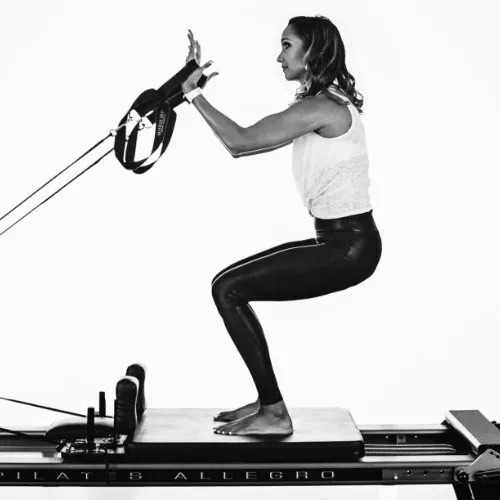
- Prime (Weeks 2–6): Find control. Clinical Pilates and low-load exercise teach your muscles to hold the middle of your range instead of hanging at the end of it.
- Perform (Weeks 6–10): Build real stability. Progressive strength work makes your joints feel supported during the movements your day actually asks of you.
- Prevent (Weeks 10+): Stay steady. A home program and check-ins keep your gains, with a plan for what to do if a flare shows up.
Frequently Asked Questions
Do you need a formal EDS diagnosis to work with me?
No. Many people with hypermobility never receive a formal diagnosis. We evaluate how your joints move and how well they are supported, and we build your plan from what we find. If something suggests you should see a physician or geneticist, we will tell you.
Should I be stretching more?
Usually not. Hypermobile joints already have plenty of range. What helps is strength, control, and body awareness so your muscles can support the range you have, which is why our plans lean on clinical Pilates and progressive strengthening.
Will exercise make my joints worse?
The right exercise, dosed carefully, tends to make joints feel more stable, not less. We start with low load and build gradually, adjusting around fatigue and flares so you are never pushed past what your body can handle that day.
Pain rarely stays in one place.
Compensation patterns often show up nearby. Here’s what else we treat.
- Joint Pain: Aching joints that need strength around them, not just rest.
- Pelvic Pain: Hypermobility often shows up in the pelvic floor too, and we treat it.
- Clinical Pilates: Controlled, supported strength work built for bodies that move too much.
Ready to start? Book your consult or call (571) 308-8094.