
Spinal & Disc Injuries in Ashburn
Spinal & disc injury treatment in Ashburn
A herniated or bulging disc, a spinal injury, or pain that runs down your leg can make every position uncomfortable. Most spine and disc problems respond well to the right movement, hands-on care, and a clear plan.
Does this sound like you?
- Back or neck pain that shoots into your arm or leg
- Numbness, tingling, or weakness that comes and goes
- Sitting, bending, or coughing makes it worse
- An MRI that mentions a bulge, herniation, or degeneration
- Mornings that start stiff and get better or worse as the day goes on
- Avoiding lifting, driving, or exercise because of what might happen
Two or more? Keep reading.
The scan is one piece. How you move is another.
Spinal and disc injuries can come from a single moment, like a lift or a fall, or build up over time from posture, repetitive strain, and weakness around the spine. When a disc is irritated or bulging, it can press on nearby nerves and send pain, tingling, or weakness into your arm or leg.
Imaging findings do not always match how much pain you feel, and many disc problems improve without surgery. A thorough evaluation looks at which movements calm your symptoms, which aggravate them, and what strength and control your spine needs to stay calm long term. If anything points toward needing your physician or a specialist, we will tell you.
Waiting on a disc injury rarely makes the decision for you.
If you keep waiting
- You guard and move less, and the muscles that protect your spine weaken
- Symptoms that travel down your arm or leg can linger longer
- Sitting, driving, and sleep keep getting harder
If you start this week
- You find out which movements calm your symptoms on visit one
- Hands-on care and targeted exercise start right away
- You get a step-by-step plan back to the activities you have been avoiding
Most spine and disc problems respond best when care starts early.
The same four phases. Built for your spine.
Every plan has an endpoint. Here is how the four phases look for spinal and disc injuries.
- Pain (Weeks 1–2): Calm the nerve down. Positions, movements, and hands-on care that ease pressure on irritated tissue and reduce pain traveling into your arm or leg.
- Prime (Weeks 2–6): Restore motion. Gentle mobility work brings back the movement your spine has been guarding, one level at a time.
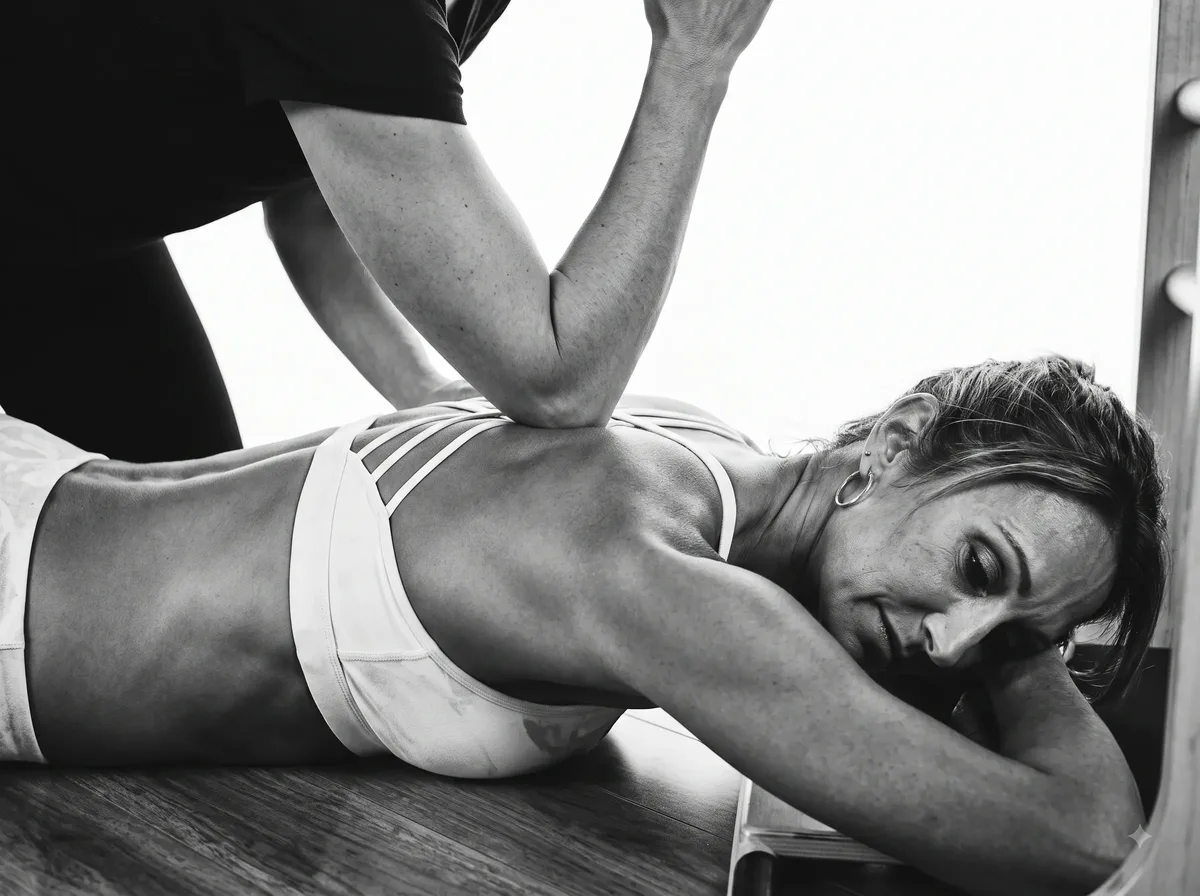
- Perform (Weeks 6–10): Build support. Core, hip, and back strength, often through clinical Pilates, gives your spine the stability it needs under load.
- Prevent (Weeks 10+): Protect your back. Lifting, sitting, and activity strategies plus a home program help keep the next flare from showing up.
Frequently Asked Questions
Do I need surgery for a herniated disc?
Many disc herniations improve with conservative care like physical therapy, and guidelines often recommend trying it first. If your evaluation shows signs that need a surgeon’s opinion, such as progressive weakness, we will refer you right away.
Should I get an MRI before starting physical therapy?
Not always. Imaging can be helpful in some cases, but findings do not always match symptoms. You can start with an evaluation, and if anything suggests you need imaging or a physician, we will help you get it.
Can I keep exercising with a disc injury?
Usually yes, with the right modifications. Staying active in the right ways tends to help disc injuries recover, and we will show you what to keep, what to change for now, and how to progress.
Pain rarely stays in one place.
Compensation patterns often show up nearby. Here’s what else we treat.
- Low Back Pain: Back pain and sciatica treated with a cause-first approach.
- Neck Pain & Headaches: Neck problems that send pain into your shoulders, arms, or head.
- Orthopedic Injuries: Rebuilding strength after injury or surgery.
Ready to start? Book your consult or call (571) 308-8094.